Phnom Penh Food & Art Tours
Phnom Penh is a city of energy, tradition and creativity, where every street tells a story and every meal reveals a connection. Our street art and food tours take you through bustling markets, hidden local eateries and neighbourhoods full of colour and culture. Along the way, you will taste a wide range of Khmer dishes and street food favourites, from grilled meats and spicy noodles to tropical desserts and seasonal snacks. You will also explore the city’s growing street art scene and meet the people who bring its food and culture to life.
Phnom Penh’s Ultimate Street Food Tour by Tuk Tuk
Join us on the ultimate evening tuk tuk food tour and explore the city’s best street food, ma…
Phnom Penh in Colour: Street Art & Sunset Mekong Cruise
Step into Phnom Penh in the afternoon, when the city glows in warm light and the Mekong, Bassac,…
Phnom Penh Morning Market and Street Art by Tuk Tuk
Experience the magic of Cambodia’s capital city as it comes to life! We believe the best time to…
This isn’t a tourist checklist. This is Phnom Penh behind the scenes – markets, murals, hidden backstreets, and…
An Afternoon of Contemporary Art in Phnom Penh by Tuk Tuk
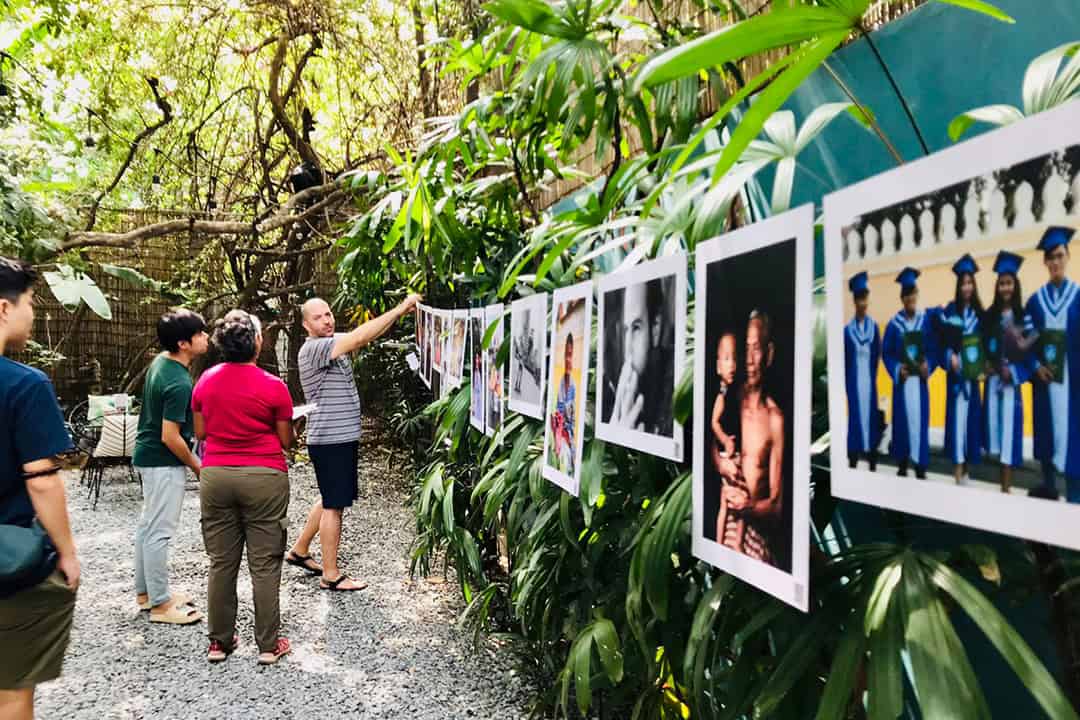
This tour is designed for art enthusiasts as well as curious travelers who want to go deeper behind…

Food and Street Art Tours in Phnom Penh
Urban Forage Tours in Phnom Penh offer an unforgettable way to experience the city through its flavours, stories and creative spirit. Whether exploring by tuk tuk on a food adventure or wandering hidden laneways in search of murals, our experiences go beyond the usual tourist trail to reveal a side of Phnom Penh many visitors miss.
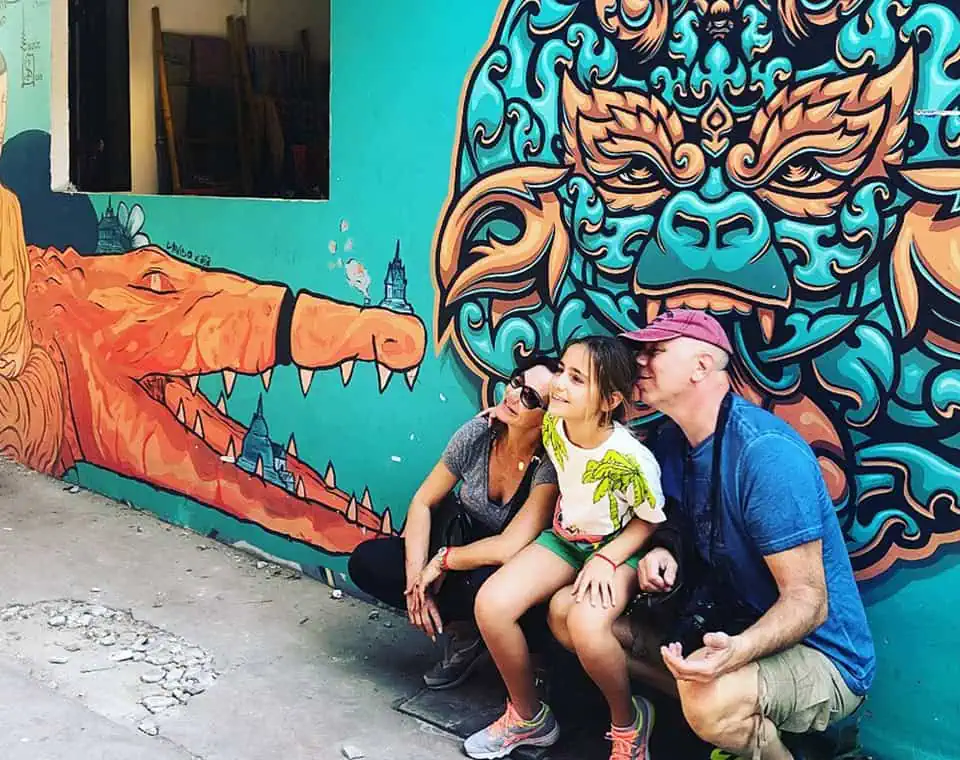
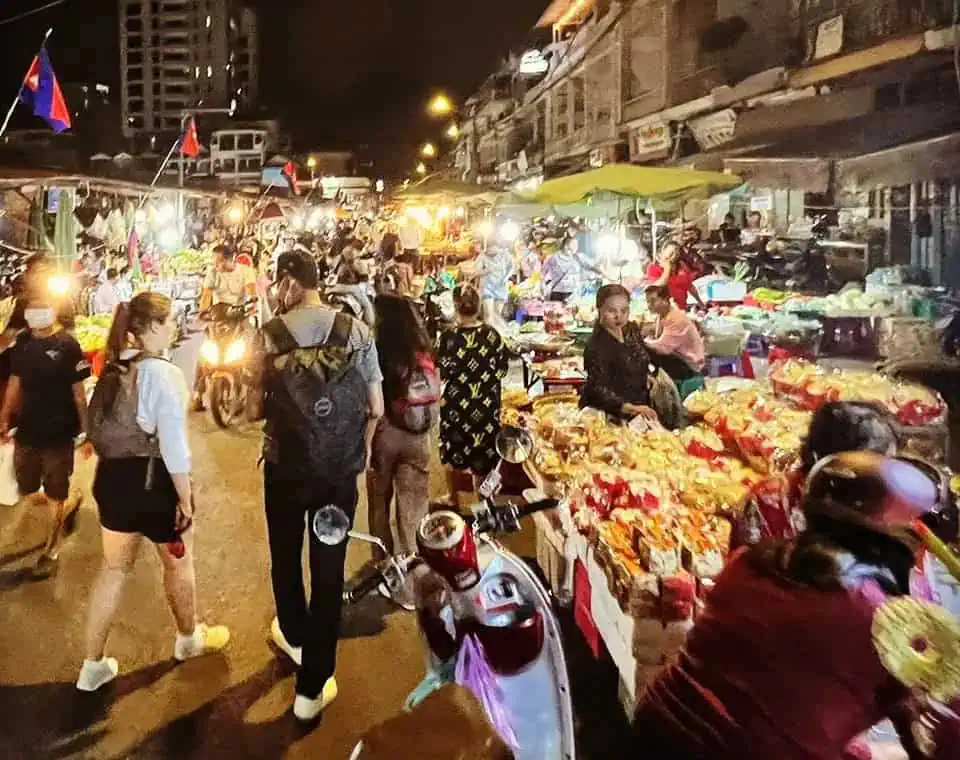
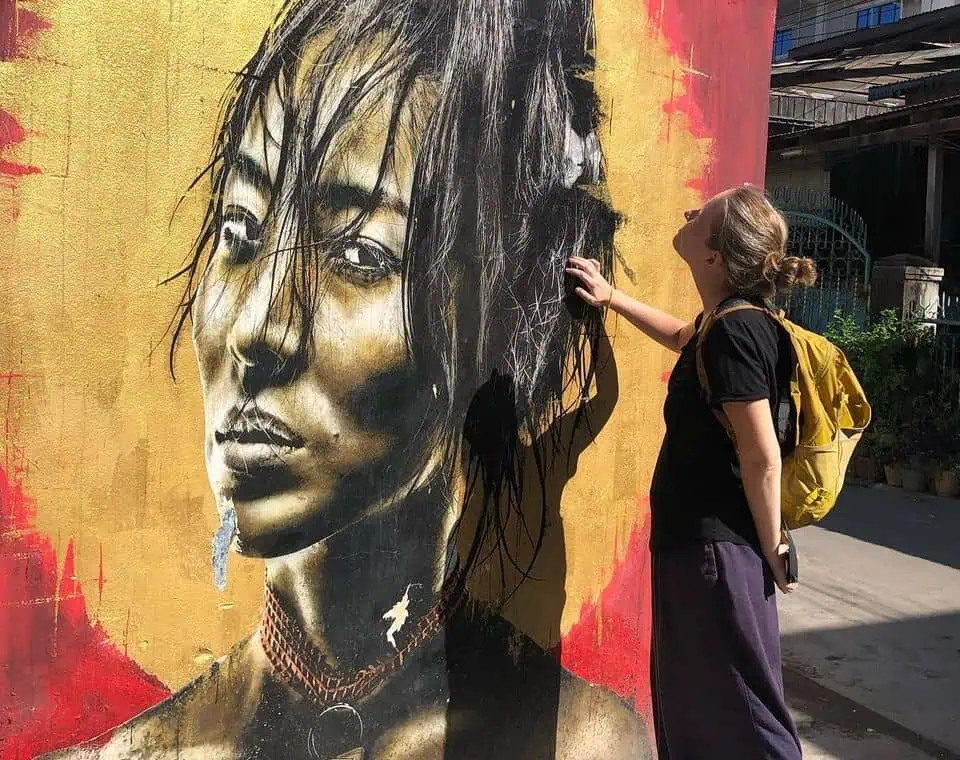
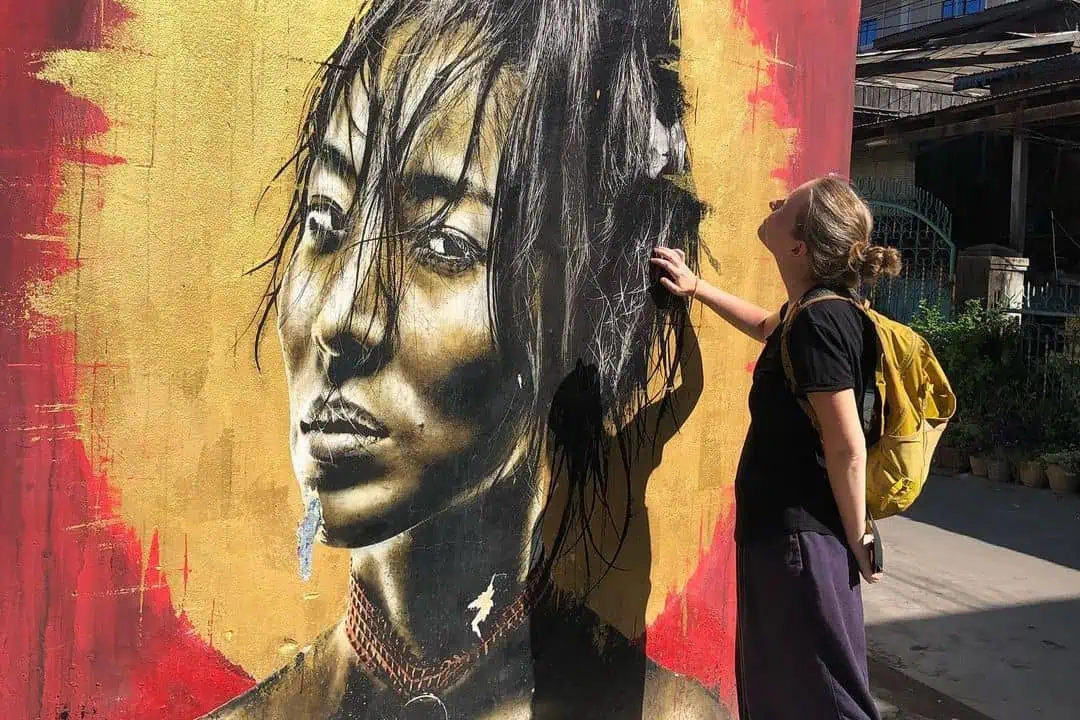
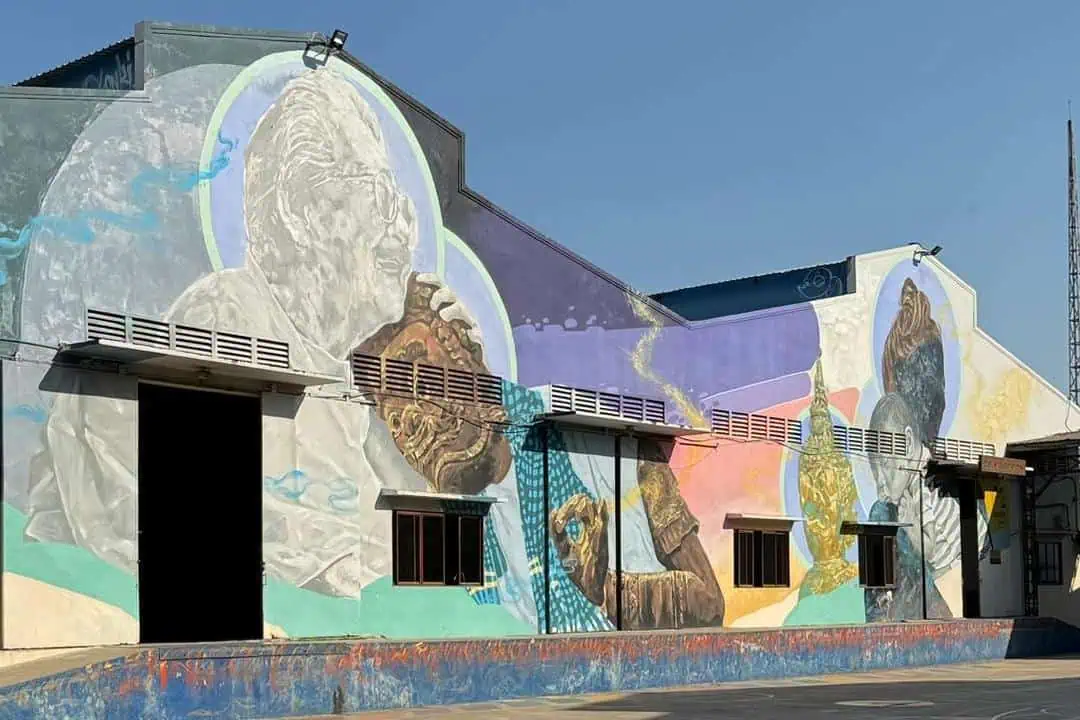
On our food tours, you’ll explore lively markets, hidden alleyways and local neighbourhoods where the city’s real flavours come to life – from classic Khmer dishes and street food favourites to lesser-known regional specialities. On our street art tours, Phnom Penh becomes an open-air gallery, uncovering murals, creative spaces and the stories shaping the city’s evolving cultural identity.
Along the way, you’ll experience the rhythm of everyday Phnom Penh through local conversations, unexpected discoveries and places chosen for their character, history and heart. Whether you’re passionate about food, fascinated by creativity, or simply curious about the city beyond the surface, Urban Forage offers a rich and personal way to explore the capital. Come curious. Leave connected.
Phnom Penh FAQs
Curious about Phnom Penh Food Tours? Explore popular questions travellers ask about food, culture, local experiences and what makes these tours unique.
Is Phnom Penh worth visiting?
Absolutely, but not for the reasons many travellers expect.
While many visitors rush through Phnom Penh on the way to Siem Reap, Cambodia’s capital rewards those who slow down. This is a city of contrasts: golden temples beside graffiti-covered laneways, legacy noodle shops next to contemporary cafés, and stories hidden behind ordinary-looking streets.
Phnom Penh is especially worth visiting for food lovers, curious travellers, and anyone wanting to experience Cambodia beyond temples. From bustling local markets to riverfront evenings and an evolving street art scene, the city reveals itself slowly.
If you give Phnom Penh more than a quick overnight stop, you’ll likely leave wondering why more people don’t talk about it.
What food should I try in Phnom Penh?
Phnom Penh is one of Southeast Asia’s most underrated food cities, blending Khmer traditions with Chinese, Vietnamese, and French influences.
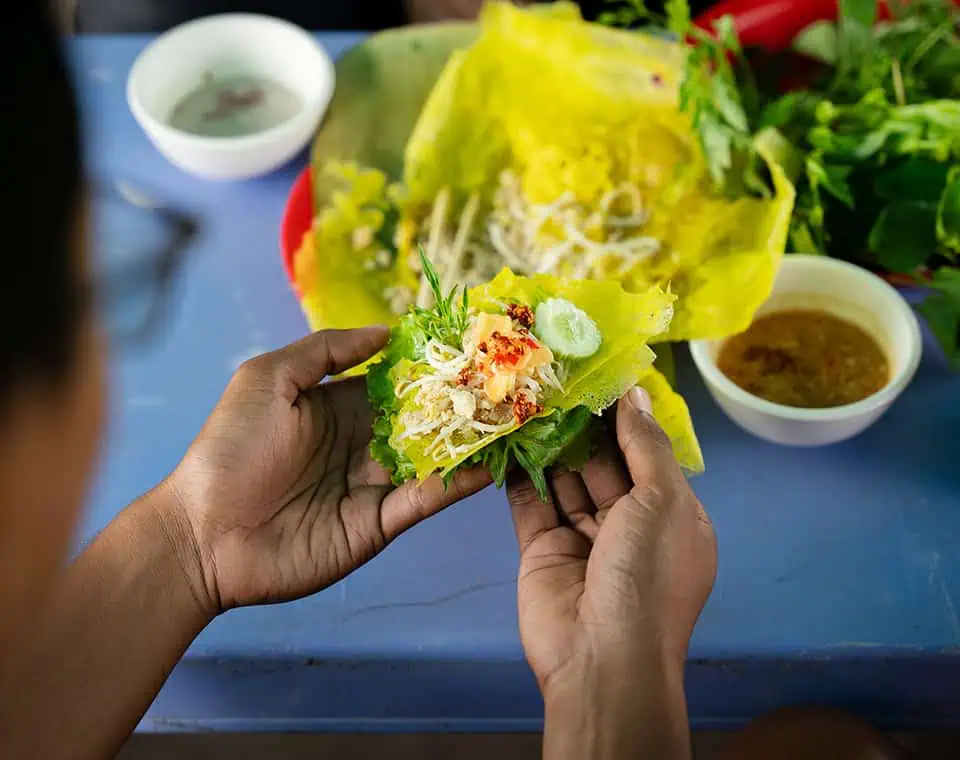
A few dishes worth trying include nom banh chok (Cambodian rice noodles), fish amok, num pang (Cambodian baguettes), lok lak, fresh tropical fruits, grilled street snacks, and local desserts.
But food in Phnom Penh is also about where you eat. Some of the city’s best flavours come from family-run stalls, market kitchens, and restaurants that have quietly served generations of locals.
The best way to experience Phnom Penh’s food scene is to mix street food, local institutions, and hidden neighbourhood favourites.
Which is better, Phnom Penh or Siem Reap?
Phnom Penh and Siem Reap offer very different experiences, and which is better depends on what you are looking for. Siem Reap is best known for the ancient temples of Angkor Wat and has a more laid-back, tourist-friendly atmosphere. It’s ideal for first-time visitors to Cambodia who want to explore world-famous heritage sites and enjoy a slightly slower pace.
Phnom Penh, on the other hand, offers a deeper dive into contemporary Cambodian life. It’s fast-paced, vibrant and full of contrasts. You will find a stronger sense of everyday culture — from busy markets and local eateries to meaningful historical sites and a growing creative scene. For travellers who want to connect with modern Cambodia and explore its flavours, stories and people, Phnom Penh is an unforgettable destination. Many visitors find that the best experience comes from visiting both cities and enjoying their unique character.
When is the best time to visit Phnom Penh?
The best time to visit Phnom Penh is during the dry season, which runs from November to early April. These months offer warm but comfortable weather with plenty of sunshine, making it ideal for tuk tuk tours, market visits and exploring the city’s street food scene. Temperatures typically range from 25 to 32°C, and rainfall is minimal, allowing you to enjoy the city’s outdoor spaces and vibrant street life with ease.
That said, Phnom Penh can be visited year-round. The rainy season (May to October) brings short, dramatic showers that usually last an hour or two in the afternoon. The city remains lively, markets stay open, and food tours continue to run. Some travellers actually prefer this time for fewer crowds and lush green surroundings. Just bring a light rain jacket and a sense of adventure — the food tastes just as good in the rain.
What are the best things to do in Phnom Penh?
Beyond the major landmarks, the best things to do in Phnom Penh often involve slowing down and experiencing local life.
Visit the Royal Palace and National Museum, explore local markets like Central Market and Russian Market, discover the city’s growing street art scene, sample Khmer food, wander hidden laneways, and enjoy sunset along the riverside.
For a deeper experience, spend time in neighbourhoods outside the tourist centre – this is where Phnom Penh feels most alive.
The city rewards curiosity more than checklists.
How many days do I need in Phnom Penh?
Most travellers underestimate Phnom Penh.
1 day gives you enough time for major highlights like the Royal Palace, riverside, and a local meal.
2 days allows space to explore markets, Khmer food, museums, and neighbourhoods at a slower pace.
3 days or more is where Phnom Penh starts to reveal its personality – hidden cafés, street art, local markets, and the rhythms of everyday life.
If you enjoy food, culture, and discovering places beyond the obvious, Phnom Penh deserves at least two to three days.
Where are the best markets in Phnom Penh?
Each market in Phnom Penh offers something completely different.
Central Market is known for its iconic Art Deco architecture and classic Cambodian souvenirs.
Russian Market is popular for antiques, local snacks, shopping, and everyday city life.
Orussey Market feels deeply local and gives a glimpse into everyday Phnom Penh, from fresh produce to household goods.
Olympic Market is great for fabrics and local shopping, while evening markets offer riverside snacks and casual street food.
Markets are one of the best ways to understand Phnom Penh – chaotic, colourful, and full of stories.
Where can I see the best street art in Phnom Penh?
Phnom Penh has a growing and often overlooked street art scene.
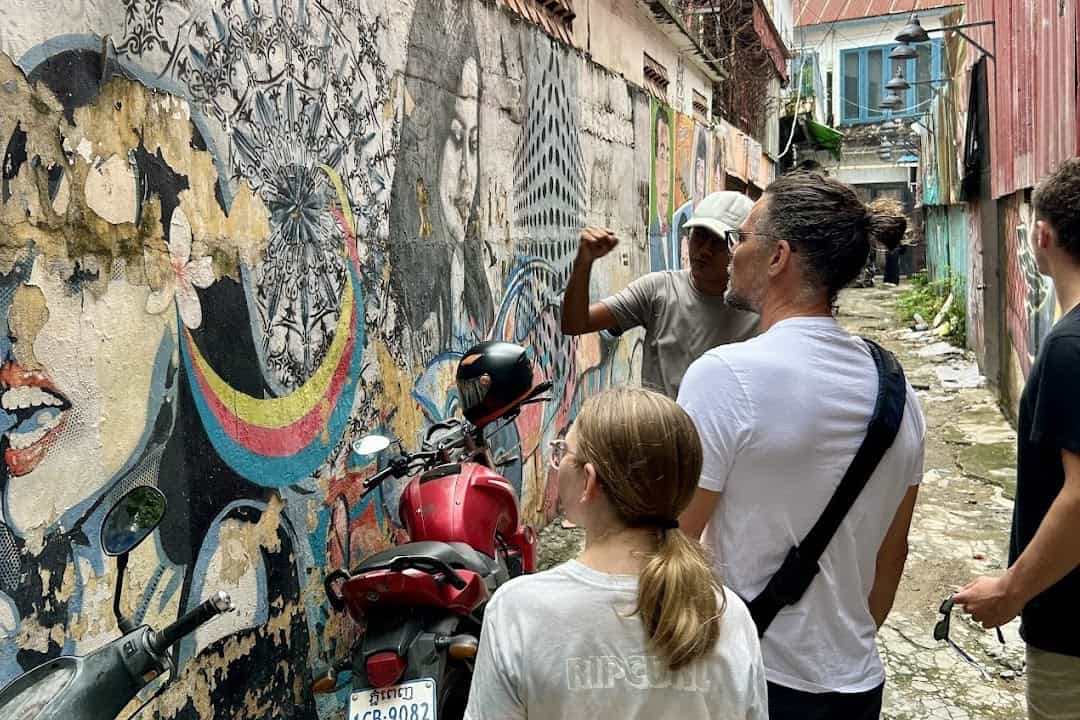
You’ll find murals hidden in backstreets, creative neighbourhoods, café-lined laneways, and unexpected corners of the city. Some works reflect Cambodian identity and history, while others explore modern urban life.
Unlike cities where street art is concentrated in one district, Phnom Penh’s murals are scattered – making discovery part of the experience.
The best approach is to explore slowly, look down side streets, and stay curious.
Is Phnom Penh safe for tourists?
Yes – Phnom Penh is generally safe for tourists, especially if you use the same common sense you would in any major city.
Petty theft can happen, so it’s best to keep phones and valuables secure, particularly near roads or in crowded areas. Reputable tuk-tuk apps, staying aware of your surroundings, and avoiding isolated areas late at night are sensible precautions.
Most visitors find Phnom Penh welcoming, friendly, and easy to navigate. Locals are often incredibly warm, and many travellers end up feeling more comfortable than expected.
Like the city itself, Phnom Penh rewards confidence, curiosity, and a little street awareness.